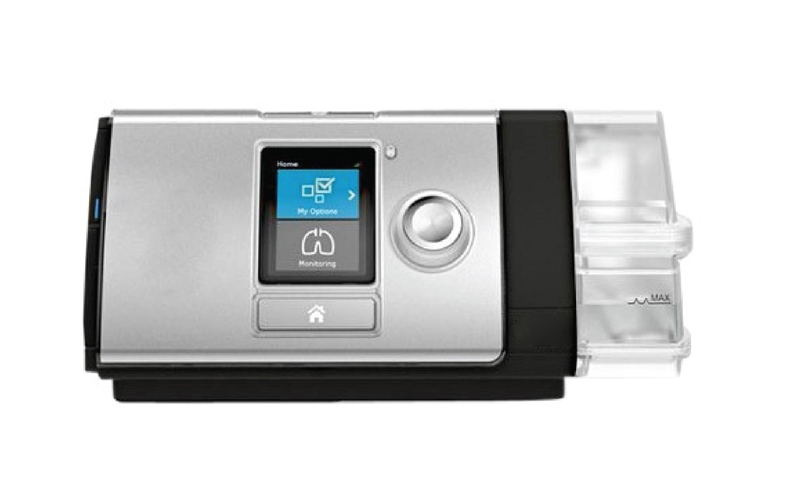
Respiratory support equipment can literally be life-changing when you're struggling with breathing issues during sleep or recovery. But here's the thing: getting the right equipment is just step one, and using it correctly is what actually matters. Tons of people using a Bipap Machine on Rent from Healoxy Private Limited make super common mistakes that mess with how well the therapy works. These slip-ups aren't always obvious, and honestly, nobody usually mentions them until things go wrong. Understanding what you might be doing wrong helps you actually get the full benefits of respiratory therapy. Let's talk about the mistakes people make most often and how to dodge them for way better results.
Mistake 1: Ignoring Proper Mask Fit and Seal
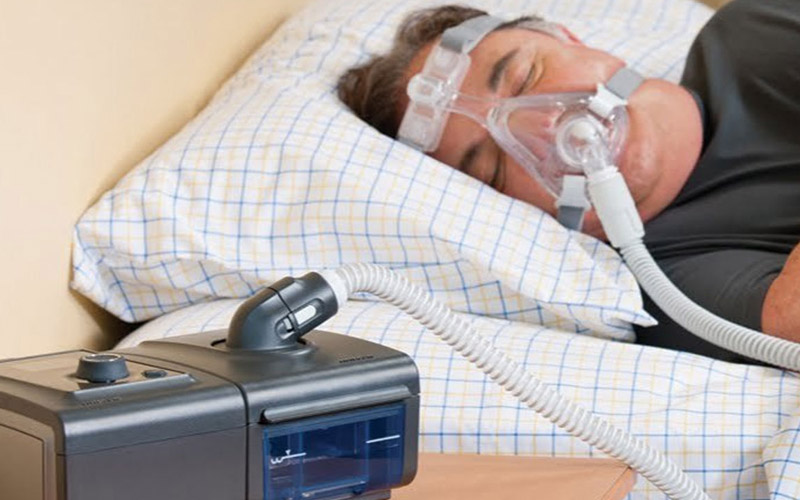
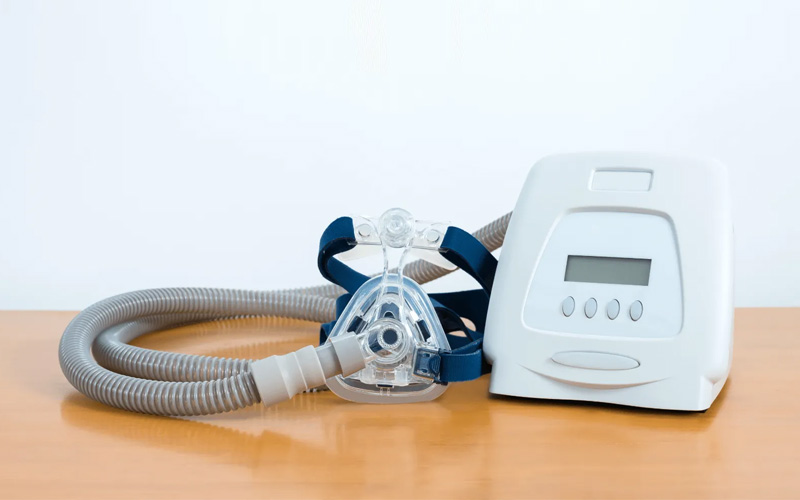
The mask connection between you and the machine is absolutely critical for therapy to actually do its job. Lots of people settle for masks that don't fit quite right because they figure some air leakage is just normal. It's not air leaks around the mask that reduce pressure delivery, which means you're not getting the treatment your doctor prescribed. Here's what proper mask fitting actually looks like:
- Your mask should seal comfortably without being so tight that it leaves marks or hurts your face.
- Air leaks should be minimal; if you're hearing hissing or feeling air escape, the seal isn't right.
- Different mask styles work for different face shapes, so don't think one type fits everyone the same.
Mistake 2: Neglecting Daily Cleaning and Maintenance
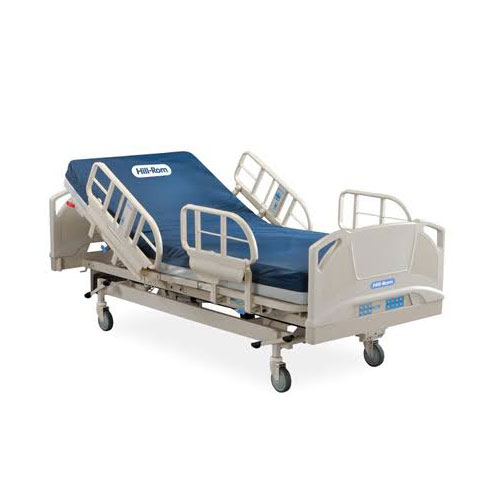
The warm, moist environment inside masks and tubing is basically a bacteria and mold party if you don't clean it. Dirty equipment can give you respiratory infections, skin irritation, and equipment failures that mess up your therapy completely. ICU Bed on Rent give you specific cleaning instructions that most people never actually read or follow consistently. You should wash the mask daily and clean the tubing and humidifier chambers weekly to prevent health issues.
Mistake 3: Using Incorrect Pressure Settings Without Medical Guidance
Some people think they can just tweak pressure settings themselves to feel more comfortable during therapy. Bad idea, pressure settings get prescribed by doctors based on sleep studies and your specific medical condition, needing precise treatment. Messing with these settings without medical help can actually make your condition worse or cause new breathing problems. Lower pressure might feel nicer, but it won't effectively treat your respiratory issues like it should. Higher pressure than prescribed causes discomfort, bloating, and other complications that make therapy completely unbearable. Before taking Suction Machine on Rent always talk to your healthcare provider before changing any prescribed settings for your specific condition.
Mistake 4: Skipping the Humidifier or Using It Incorrectly
Lots of users turn off the humidifier because they don't want to deal with water or cleaning the chamber. That's a mistake, dry air from the machine causes a stuffy nose, dry mouth, nosebleeds, and throat irritation that makes therapy miserable. Use distilled water instead of tap water to prevent mineral buildup that damages equipment and grows bacteria. Here's how to use the humidifier the right way:
- Fill the chamber to the line with distilled water before each use, every single night.
- Clean the chamber daily with mild soap and water to stop bacteria and mold from growing.
- Replace the chamber when the manufacturer says to, usually every six months or if it gets damaged.
- Adjust the humidity based on what feels comfortable, starting at medium and going up if you need more.
Mistake 5: Not Addressing Persistent Discomfort or Side Effects
Way too many people suffer through discomfort, thinking it's just part of therapy they have to deal with. Ongoing issues like stuffy nose, headaches, bloating, or sores from the mask mean something's wrong that needs fixing, not ignoring. These problems often have easy fixes like switching mask types, changing pressure ramp settings, or adjusting humidity levels. Keep dealing with discomfort and you'll probably just quit treatment altogether, which defeats the whole point of having it. Healthcare providers can troubleshoot most issues super quickly if you actually tell them what's bothering you. When you're managing complex stuff like an ICU Setup at Home, dealing with comfort issues becomes even more important for sticking with treatment.
Final Thoughts
Respiratory therapy only does its job when you use equipment correctly and address problems as they arise. These common mistakes seem pretty minor, but they can seriously impact how well treatment works and whether you actually stick with it. Taking time to learn proper use, maintenance, and when to ask for help makes therapy way more effective in reality. Your health depends on getting the full benefits of what's been prescribed, not just going through the motions halfheartedly. Equipment providers and healthcare teams genuinely want to help you succeed, but they need you to speak up about issues. Avoiding these mistakes transforms therapy from a frustrating chore you hate into effective treatment that actually improves your life.