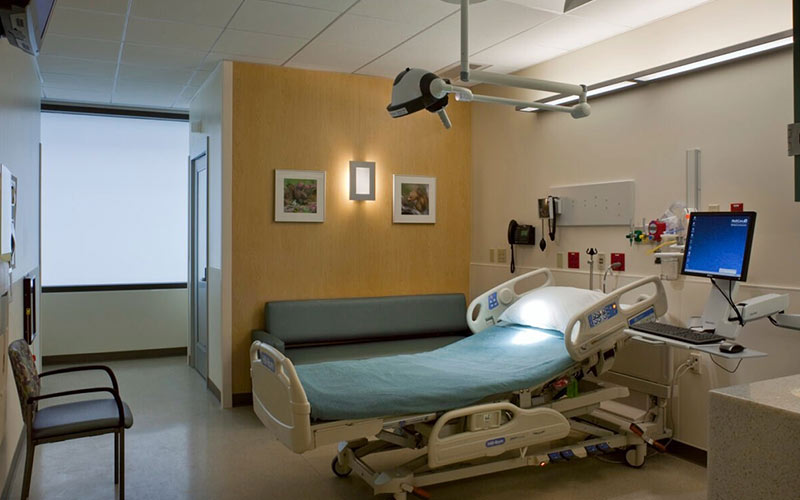
Critical care at home sounds crazy to most people who've only seen intensive care in hospitals, right? The idea of recreating that level of medical support outside a hospital seems totally overwhelming and maybe even risky. But honestly, modern technology and professional home healthcare have completely changed what's actually possible for families dealing with tough situations. An ICU Setup at Home through Healoxy Private Limited now gives you real critical care capabilities that can honestly rival traditional hospital units. The equipment, monitoring systems, and professional support you can get today make home-based intensive care a legit option for lots of patients. Understanding how home setups stack up against hospitals helps families make smart choices during really difficult times.
Advanced Monitoring Technology Matches Hospital Standards
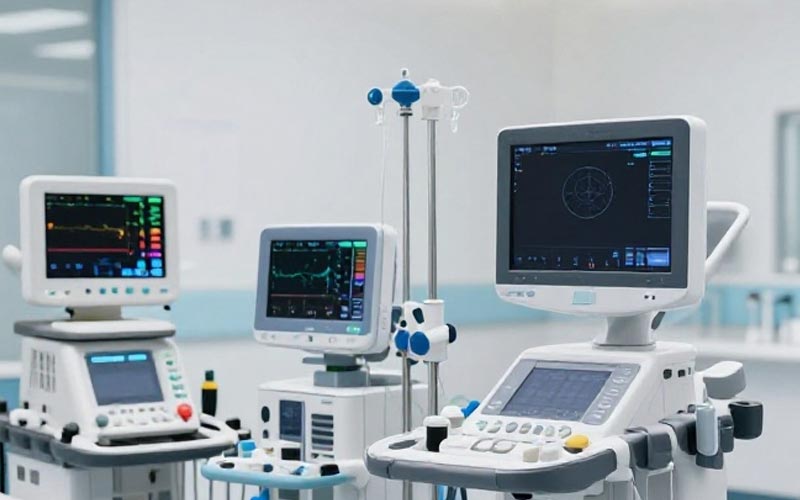
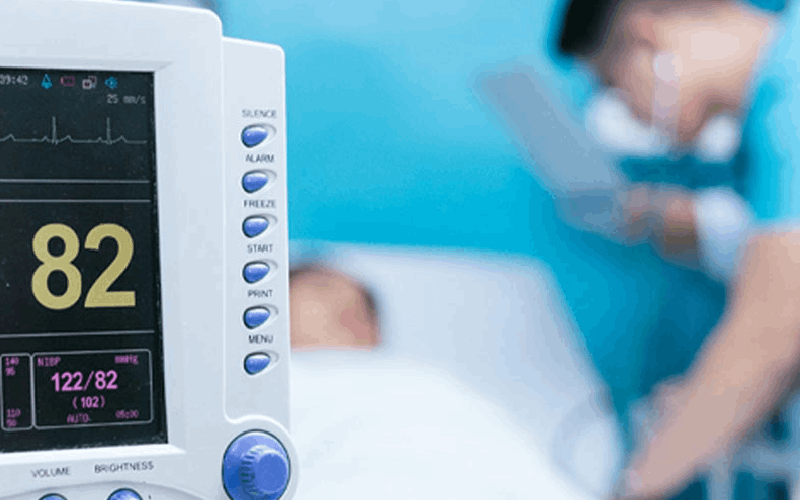
Critical care is really all about watching vital signs constantly to catch problems before they turn into life-threatening emergencies. Modern home monitoring equipment tracks heart rate, blood pressure, oxygen levels, and breathing rates just like hospital systems do. Digital screens show real-time data that trained nurses can read immediately to spot worrying trends or sudden changes. The technology itself works the same whether it's on a hospital wall or in someone's bedroom at home. Here's what modern monitoring gives you at home:
- Constant vital sign tracking catches small changes that might mean complications are developing before things get really serious.
- Real-time data sharing lets doctors check patient status remotely and change treatment plans without needing actual hospital visits.
- Automatic alerts make sure medical staff respond immediately to dangerous changes, even at night when families are asleep.
- History tracking helps spot patterns that lead to better treatment decisions and predict potential problems before they actually happen.
Professional Medical Staff Provides Continuous Expert Care
Equipment by itself doesn't create intensive care; you need trained professionals who actually know how to use it right. Home healthcare now includes experienced nurses with real ICU training who provide 24/7 monitoring and immediate help when needed. These aren't just basic home health aides; they're critical care specialists who've worked in hospital ICUs for years. Doctors stay involved through video consultations, regular visits, and constant communication with nurses about how patients are doing. The medical expertise you can get at home matches what you'd find in many hospitals, depending on staffing arrangements. Having access to Medical Equipment on Rent makes it affordable to have hospital-grade devices at home with pros who know how to run them.
Emergency Response Capabilities and Backup Systems
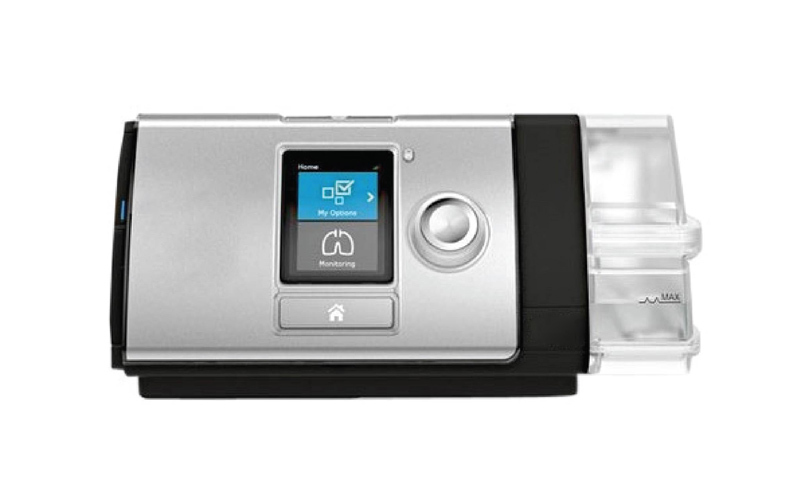
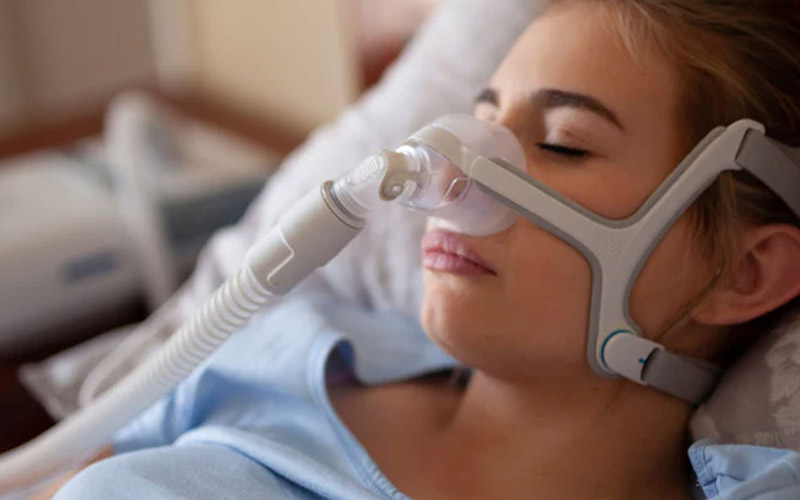
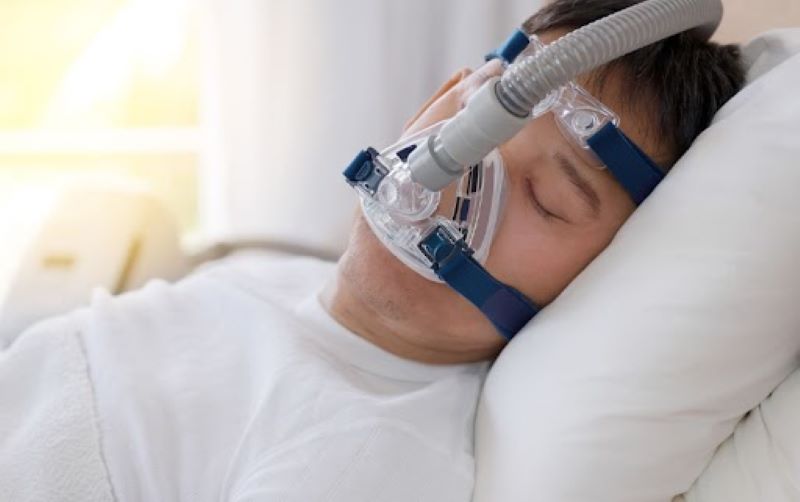
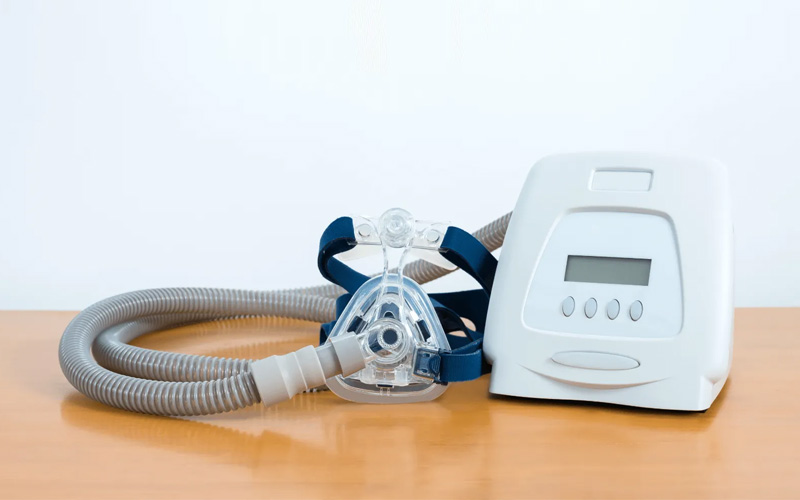
The biggest worry people have about home care is what happens during sudden medical emergencies needing immediate action. Home setups include emergency plans connecting families directly to ambulances and nearby hospitals for quick transport if needed. Hospital transfer plans get set up ahead of time so everyone knows exactly what happens if home care isn't enough. Here's how the Bipap Machine on Rent works at home:
- No time wasted in the hospital switchboards or administrative procedures, direct phone lines link nurses straight to emergency services without any delays.
- Nurses can initiate critical treatments right on the spot with the help of emergency equipment and medicines, even before the arrival of the ambulance.
- Good ties with hospitals make it sure that the beds are ready in no time when the patients have to return to the institution for medical care.
- Scheduled drills help families and staff to act efficiently and calmly during real emergencies without getting panicked or mixed up.
Cost Considerations and Long-Term Sustainability
Intensive care is literally the most expensive healthcare you can get, with daily hospital costs hitting thousands of dollars super fast. Home-based care costs way less while giving you comparable monitoring and treatment for stable critical patients needing ongoing support. Insurance companies are increasingly covering home intensive care since they're seeing the cost savings and good patient outcomes. Families avoid financial disaster from extended hospital stays that wipe out savings and create massive debt. The sustainability of home care means patients can get the necessary intensive support for weeks or months without going bankrupt. Equipment like a Cardiac Monitor on Rent costs a tiny fraction of daily hospital charges while giving identical monitoring.
Final Thoughts
Critical care at home has gone from being impossible to actually being a real option for many families facing tough healthcare choices. Modern tech, professional know-how, and solid support systems combine to create home environments that genuinely compete with traditional hospital units. How reliable home setups are depends heavily on good planning, quality equipment, and trained staff who care about patient safety. For stable patients needing ongoing intensive monitoring rather than emergency treatments, home care often works out better than hospitals. As healthcare keeps moving toward what's best for patients, home-based critical care will probably become way more common and advanced.